 iTunes
 RSS
RSS Stitcher
 YouTube
 Spotify
 TuneIn
What happens when a late-twentieth-century detective novelist develops strong opinions about the First World War?
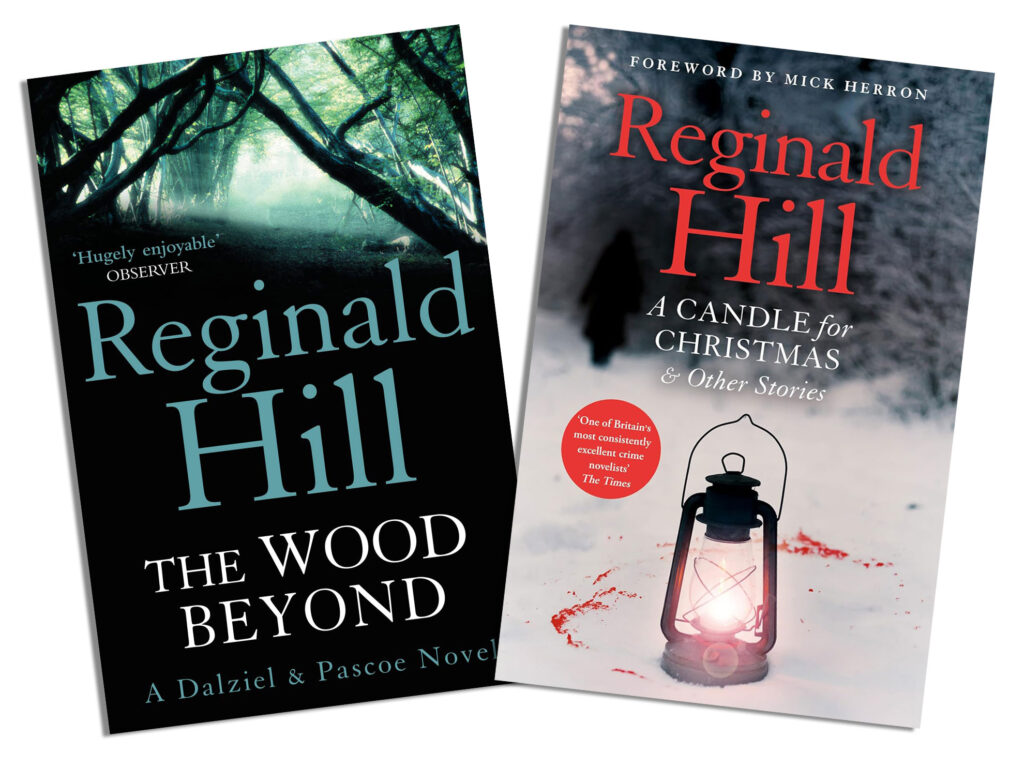
This month Angus, Jessica and Chris discuss Reginald Hill’s The Wood Beyond (1995) and the short story ‘Silent Night’ from the collection A Candle for Christmas (2023). Along the way, we consider the significance of the genealogy boom to the historiography of the war, the politics of the Shot at Dawn campaign and the tradition of novelists inventing fictional regiments.
References
Midsummer Murders
The Sweeney
Who Do You Think You Are?
Not Forgotten (2005-2009)
Pat Barker, Regeneration (1991)
Sebastian Japrisot, A Very Long Engagement (1994)
Sebastian Faulks, Birdsong (1993)
Blackadder Goes Forth (1983)
The Monocled Mutineer (1986)
Alan Clark, The Donkeys (1961)
Reginald Hill, Arms and the Women (1999)
________. On Beulah Height (1998)
________. Recalled to Life (1992)
________. Exit Lines (1984)
Helen McCartney, Citizen Soldiers: The Liverpool Territorials in the First World War (2005)
Peter Simkins, Kitchener’s Army: The Raising of the New Armies, 1914-1916 (2007)
Arthur Marwick, The Deluge: British Society and the First World War (1965)
Susan Grayzel, Women’s Identities at War (1999)
Tammy Proctor, Female Intelligence: Women and Espionage in the First World War (2003)
Alison Fell, Women as Veterans in Britain and France after the First World War (2018)
Oh! What a lovely podcast, Black Hand Gang
Oh! What a lovely podcast, The Warm Hands of Ghosts